
Circle rate is one of those terms that shows up repeatedly during a property purchase, often without a clear explanation of what it actually does. Understanding it helps make sense of stamp duty calculations, minimum pricing rules, and how property values are officially assessed in a given area.
What Is a Circle Rate?
A circle rate, also known as a ready reckoner rate in some states, is the minimum value at which a property can be registered in a particular area, as set by the state government. It serves as a floor price for the purpose of calculating stamp duty and registration charges, regardless of the actual transaction price agreed between buyer and seller.
How Circle Rates Are Determined
State authorities periodically review and revise circle rates based on factors like location, infrastructure development, and prevailing market trends in a given area — meaning rates in a growing corridor like Sunrakh Road can be revised as the area develops further.
Why Circle Rates Matter for Buyers
Stamp duty is calculated on whichever is higher — the actual transaction value or the applicable circle rate. If a property is purchased below the circle rate for any reason, stamp duty is still calculated based on the circle rate, not the lower transaction price, which is important to factor into budgeting.
Circle Rate vs Market Rate
It's worth understanding that circle rate and market rate are two different figures. Market rate reflects what buyers are actually willing to pay based on demand, amenities, and location appeal, while circle rate is a government-set minimum — market rates in developing areas can run higher than circle rates, particularly for well-located, approved projects.
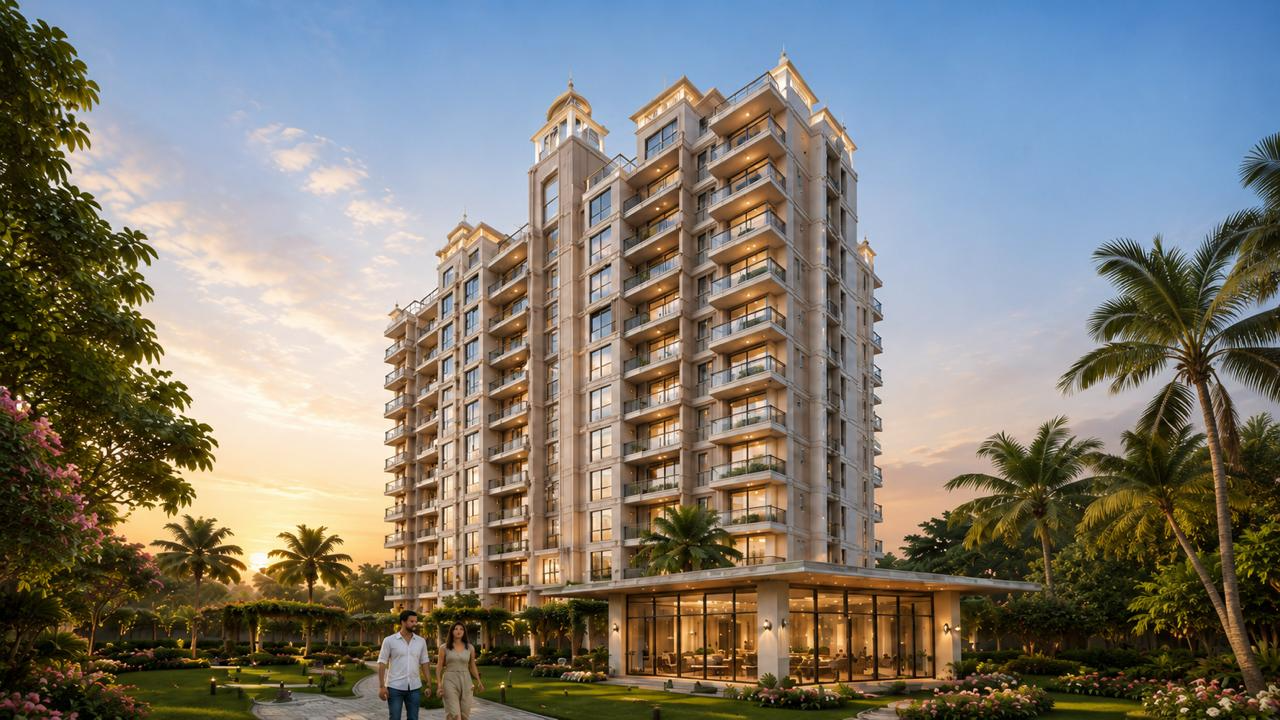
How This Affects a Purchase Like Krishna Galaxy's
- Stamp duty is calculated using the higher of transaction value or circle rate
- Rising circle rates in a growing corridor can signal increasing area value
- Buyers should confirm current circle rates for Sunrakh Road before finalizing budgets
- A significant gap between market and circle rate can sometimes indicate undervaluation risk in less transparent transactions
Where to Check Current Circle Rates
Current circle rates for a given area can typically be confirmed directly with the local sub-registrar's office or through the state government's official land records portal, and it's worth verifying the current figure close to the time of purchase, since rates are periodically revised.
Final Thoughts
Circle rates might seem like a technical detail buried in the registration process, but they directly affect the stamp duty a buyer pays and offer a useful, if imperfect, signal of how an area's official valuation is trending. Understanding this figure helps buyers budget accurately and interpret pricing trends more clearly.
This article is for general informational purposes and does not constitute legal or financial advice. Circle rates vary and should be confirmed with the relevant authority at the time of transaction.
Want Current Circle Rate Details for Sunrakh Road?
Get in touch and our team will help you understand current valuation figures for the area.
Call +91-8010992222